On a mission to reduce barriers to healthcare for rangatahi in low-decile schools, clinicians in the Waikato School-based Health Service (SBHS) are using a collaborative care model that is improving health outcomes and engagement for both students and their whānau.
Increasing health literacy at school, improving future healthcare engagement
School can be a safe place for vulnerable rangatahi. For many Waikato students in low decile high schools, teen parent units, wharekura, and alternative education programmes, it’s also a place where healthcare is most accessible.
Since 2003, Pinnacle clinicians have been funded by Waikato District Health Board to provide school-based health services in decile 1-5 high schools, teen parent units, wharekura and alternative education programmes around the Waikato region. Youth-friendly GPs and nurses are available to students on site, free of charge.
Pinnacle clinical services manager – school-based health, Melissa Davidson, says the goal of the service is to increase access to timely healthcare and improve outcomes for rangatahi.
“Reducing sexually transmitted infections and unplanned pregnancies was initially a key goal of the service, however as the programme has grown and evolved over time, the work encompasses so much more,” says Melissa.
“We want to identify issues that might affect students’ learning or wellbeing early so we can find appropriate support. The long term aim for our rangatahi is to increase their health literacy, which in turn will encourage them to continue accessing health services in the future.”
She says the SBHS is constantly growing and adapting, responding to the students needs as they change. “Over recent times, mental health has become a larger component of the work, exacerbated by COVID-19 restrictions and lockdowns. Anxiety levels have definitely been heightened during the past two years.”
Collaboration between services creates a positive experience
Karen Thurston is a nurse practitioner who has been with the school health service since 2016, working primarily with rangatahi in teen parent units, wharekura, and alternative education programmes.
She says collaboration between the SBHS, schools, and multiple health services such as Infant, Child and Adolescent Mental Health (ICAMHS), Ngaa Ringa Awhina, ACC, Medical Sexual Assault Clinicians Aotearoa (MEDSAC) and counselling, is essential to providing robust wrap-around care for vulnerable rangatahi, especially in times of disruption where they might not be physically on site at school or in a unit.
“We’re working with some rangatahi who have really high adverse childhood experiences (ACE) scores and who can be dealing with a lot of historical trauma,” says Karen. “Some have been or are currently under Oranga Tamariki or the youth justice system, and are in situations where they can’t access the services they need.
“Getting everyone on board, including wider whānau (with the student’s consent), means students are able to more successfully engage with the health support they need, whether they are at school or at home.”
Karen gives the example of collaborative support at the end of 2021 that helped a student with significant trauma. The student was feeling unsupported at home, so a hui was organised between Karen, the student’s caregiver and their team social worker. This ensured the student was well-supported over the summer break, allowed them to re-engage with the ICAMHS team, and all parties now have clearly defined lines of communication, should additional concerns arise in the new year.
Another example comes after a student report of sexual assault. With consent from the student, Karen was able to coordinate support between their whānau and the MEDSAC team lead, to ensure a warm handover and good coordination of any ongoing follow up.
Kerryn’s story: Getting everyone on board
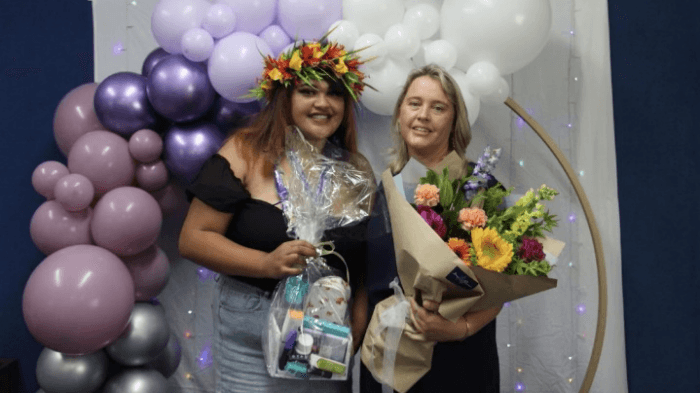
Recently, Karen attended a teen parent unit end of year prizegiving to celebrate the success of one of the students, Kerryn, who was awarded the Pinnacle Incorporated Annual Health Literacy Award.
Kerryn is the proud mother of a four-year-old and has overcome significant health issues following a head injury. When Kerryn met nurse Karen at the teen parent unit, she was being asked to go to multiple sites to access the services she needed, a situation that wasn’t working.
“We coordinated everyone to come to the teen parent unit: psychologist, occupational therapist, physiotherapist, and got permission to use the school gym,” says Karen. “Kerryn’s whānau were on board for day-to-day support and I helped with managing medication.
“What Kerryn has achieved with that support is amazing. She has become more independent and improved her resilience in relation to self-regulation and control. Her skills in knowing how to connect with and navigate the health system have increased, and she has since integrated back into GP care.”
Placing young people at the centre of their healthcare journey
Karen says it’s a privilege to work with young people and celebrate successes like Kerryn’s.
“I love the work we do, the collaboration that is happening more and more to give rangatahi a positive experience with general healthcare.
“Ultimately, it’s about placing young people at the centre of their healthcare journey, supporting them to increase their health literacy and setting them up to successfully navigate the health system after they leave school.”