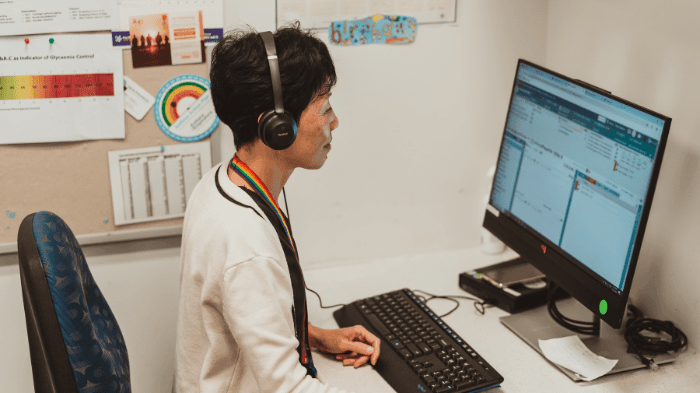
A new Journal of Primary Health Care article (PDF) from the RNZCGP’s Your Work Counts project has quantified what general practice teams have long known: a large share of GP work happens outside the consultation room.
Pinnacle CEO Justin Butcher says the study gives a clear picture of what general practice teams experience every day.
“General practice is much more than the consult. A significant share of the work happens outside the room, and it is essential to safe, continuous care.”
The national diary study analysed entries from 566 GPs, collected across summer 2023 and winter 2024. It found that, on average, GPs spend 56 per cent of their time in patient consultations, with the remaining 44 per cent made up of essential non-patient-facing work.
This includes the clinical work that happens before and after a patient is seen, such as managing inboxes, reviewing test results, writing referrals, coordinating care, supervising and training colleagues, and supporting clinical governance. This is work patients do not always see, but it is critical to quality and continuity of care.
The study also breaks down how time is spent. It includes around 31 per cent on non-contact clinical tasks (clinical administration), alongside time for training and education, management, and governance.
For general practice teams, the findings will feel familiar. The work does not stop when the last patient leaves the room, and much of it is currently carried out after hours.
“When nearly half of the work is effectively invisible in the funding model, it’s not surprising we’re seeing pressure on practices and difficulty attracting and keeping GPs. Recognising the full workload is part of making general practice sustainable,” says Justin.