BlogAdvocacyPractices
6 May 2026
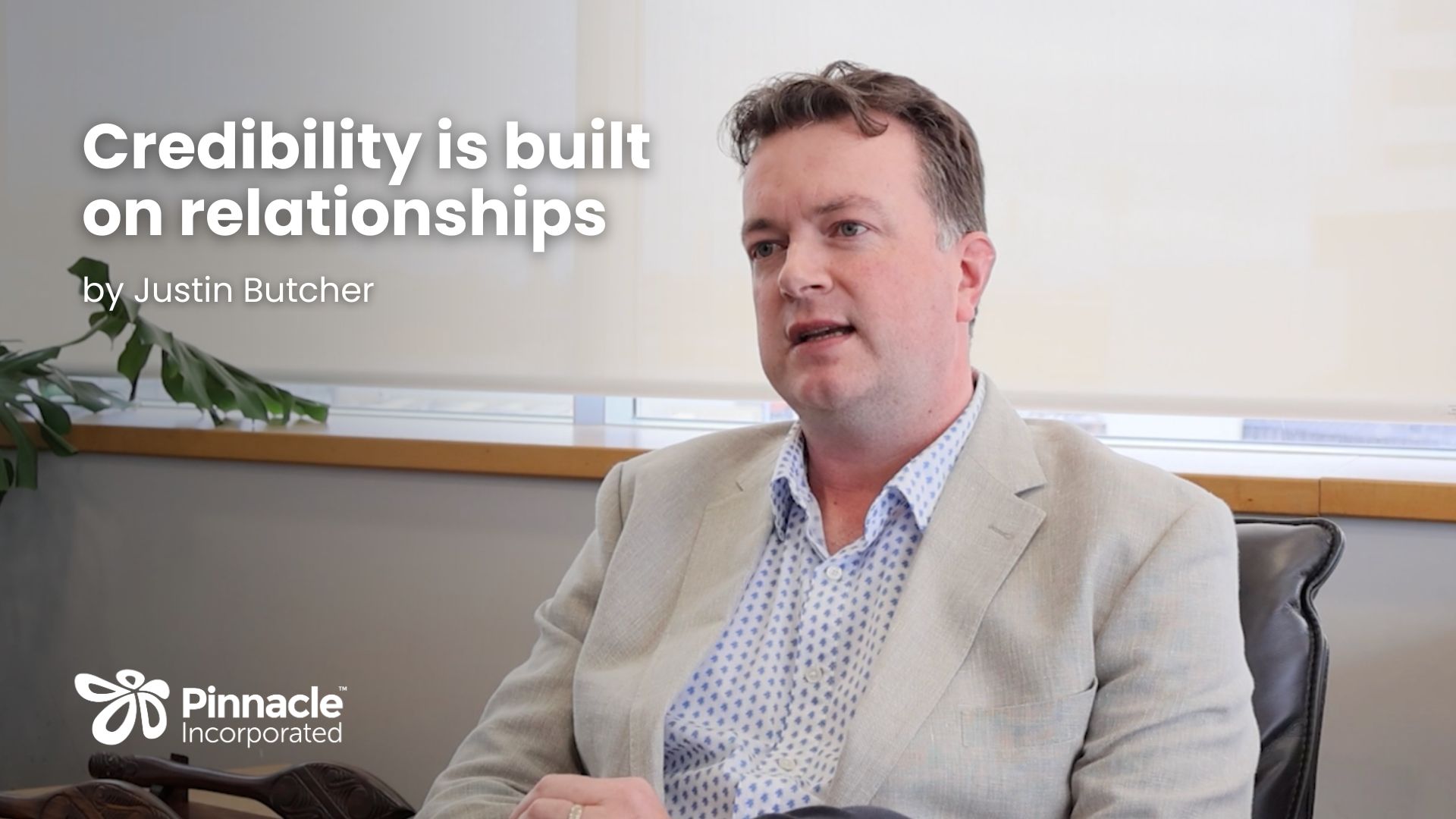
Credibility is built on relationships
Justin Butcher writes about what it actually takes to make progress in rural primary care, and why trust, experience and relationships are at the centre.
Read moreYour general practice team is your first point of contact for health advice or care.
Learn moreSupporting general practices across Te Manawa Taki to deliver sustainable, high-quality care.
Learn moreWho we are, what we stand for, and how we work with general practices across our region. People, purpose, and a genuine commitment to health and wellbeing for all.
Learn moreCall Healthline to talk to a health professional 24 hours a day, 7 days a week, and they will point you in the right direction.
Pinnacle partners with Practice Plus to provide same day virtual after-hours GP appointments for enrolled patients, as an extension of our regular medical centre team.
Call your GP, find a GP or visit Practice Plus for a virtual appointment.
4 July 2018

Pinnacle has developed a rural chest pain assessment method, referred to as a pathway, that allows low-risk patients in rural communities to be safely assessed and managed by their general practice, rather than travelling significant distances to hospital - often needlessly.
The programme has since received validation by the Cardiac Society of Australia and New Zealand (CSANZ) by way of an award.
The aim of the programme was to equip general practice with a risk stratification tool, diagnostic point of care troponin (POCT), and funded clinical time to identify and manage low risk patients in general practice.
"We believe this is a first of its kind in primary care - nationally and internationally," says Tim Norman, lead researcher and Pinnacle project manager. "Our secondary partners have been using the chest pain risk stratification tool (Emergency Department Assessment of Chest Pain Score, known as EDACS) for a number years, which was based on the work completed by Dr Martin Than, a Christchurch ED physician considered a lead expert in this area."
"The originality of this concept is the redesign of the tool to identify low or not low risk patients in primary care. However the rate limiting step for general practice to prevent ED presentations is a timely cardiac enzyme result. For a rural practice this could take up to six hours to obtain, compared to 10-20 minutes with the application of POCT".
A grant from the Heart Foundation and Waikato Medical Research Foundation helped fund the trial of a new method for assessing chest pain among people in rural Waikato.
The pathway was run as a proof of concept and kicked-off in October 2016. It included the introduction of a chest pain assessment tool and point of care machine into 12 participating rural GP practices across the Waikato region.
The proof of concept officially ended 30 April 2018 with the following preliminary findings from the research group.
The findings of the pilot were presented at the recent Cardiac Society of New Zealand meeting. As the lead researcher, Tim Norman was awarded the Affiliate's prize for his work on this pilot study and his presentation at the conference.
"This provides validation for the work and recognises the pathway could provide a change to the chest pain model of care," says Tim. "This is an example of integration with our tertiary partners. We work from the same song sheet and we equip and fund general practice to complete the care of patient in practice/closer to home and refer to tertiary care when the risk is appropriate. The tangible benefits for the patient being treated closer to home are obvious."
The preliminary results demonstrate the success of the programme in managing low risk chest pain in general practice. The project ran for 18 months and collected data from 205 patients. More than 58 per cent, 104 of the cohort, were treated in primary care who would otherwise have been refered to the emergency department and 100 per cent of low risk patients did not go on to re-present to an emergency department OR have a major acute coronary event within 30 days.
"Although the proof of concept has been achieved and has formally ended, the local DHB has agreed to continue sponsoring the existing practices until a business model can be addressed," says Tim. "We are working towards national endorsement, national policy and national registry by expanding the primary care programme in the midland region, including rural and urban practices and into all rural hospital settings."
Practices in Tairāwhiti are the next to come on board, with a training evening attended by 30 people representing Gisborne practices.
Topics
6 May 2026
Justin Butcher writes about what it actually takes to make progress in rural primary care, and why trust, experience and relationships are at the centre.
Read more

22 October 2024
The summertime locum grant was established to help ease the pressure some rural practices face during the peak holiday season such as an influx of patients and the increased costs in attracting and accommodating locums during these peak periods.
Read more