
BlogAdvocacyPractices
6 May 2026
Credibility is built on relationships
Justin Butcher writes about what it actually takes to make progress in rural primary care, and why trust, experience and relationships are at the centre.
Read moreYour general practice team is your first point of contact for health advice or care.
Learn moreSupporting general practices across Te Manawa Taki to deliver sustainable, high-quality care.
Learn moreWho we are, what we stand for, and how we work with general practices across our region. People, purpose, and a genuine commitment to health and wellbeing for all.
Learn moreCall Healthline to talk to a health professional 24 hours a day, 7 days a week, and they will point you in the right direction.
Pinnacle partners with Practice Plus to provide same day virtual after-hours GP appointments for enrolled patients, as an extension of our regular medical centre team.
Call your GP, find a GP or visit Practice Plus for a virtual appointment.
19 September 2022
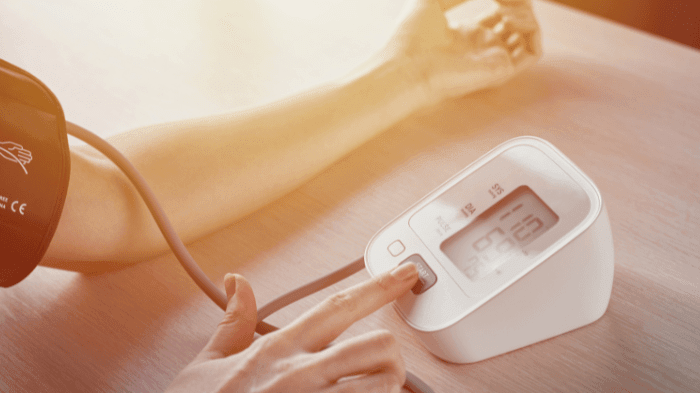
Chronic conditions account for 60-70 per cent of all deaths worldwide and are the leading cause of inequality in health outcomes across social groups.
As the prevalence of chronic illness continues to increase with our aging population, remote home telehealth monitoring is emerging as a possible means of delivering care in a more cost effective and patient-centred way, while overcoming problems of inaccessibility (Waitemata DHB, n.d.).
A Waitemata DHB review (n.d.) of a remote home monitoring trial that ran from 2010-2012 demonstrated:
15 COPD and CHF remote patient monitoring kits for the Tunstell telemonitoring pilot were approved and purchased by RRAG.
With the pilot now finished we will be gifting this equipment by way of EOI.
If you are a rural practice and would like to have these devices available for supporting your practice population please read the telemonitoring guide which shares our key learnings and get in touch by Friday 21 October 2022.
Topics
6 May 2026
Justin Butcher writes about what it actually takes to make progress in rural primary care, and why trust, experience and relationships are at the centre.
Read more

22 October 2024
The summertime locum grant was established to help ease the pressure some rural practices face during the peak holiday season such as an influx of patients and the increased costs in attracting and accommodating locums during these peak periods.
Read more